How Paisley Businesses Store Smarter Than Most Homeowners
Find Out More →Walk past any busy shop or warehouse in Paisley and you'll notice something: the ones that run smoothly aren't the ones with stuff crammed into every corner. They've got a system. And while most homeowners treat Self Storage as an afterthought—a last resort when the spare room overflows—local businesses here treat it like what it actually is: part of how they stay organised and keep costs down.
The difference isn't complicated. But it's worth paying attention to, because what works for a café on Gauze Street or a small retail shop applies just as well to your house.
Why businesses plan their storage before they need it
Here's what separates business owners from most homeowners: they don't wait until they're drowning in boxes to think about where things go. They look ahead. They know their seasonal stock, their overflow patterns, what they'll need access to and what can stay tucked away.
Homeowners usually do the opposite. Something happens—a house move, a new hobby that eats space, a loft that gets too damp—and suddenly Self Storage feels urgent. By then, you're making quick decisions instead of smart ones, scrambling for the first unit that has availability rather than the right one for what you actually need.
Business owners solve this by mapping it out. They know what goes in, how long it stays, and when they'll need it back. That single habit changes everything about how you use Self Storage, because you're not paying for space you don't need or booking something too small and running out of room three months in.
If you're planning a move or expecting seasonal chaos—as we covered in this guide—the same logic applies. Think it through now instead of scrambling later.
How they stay organised inside the unit
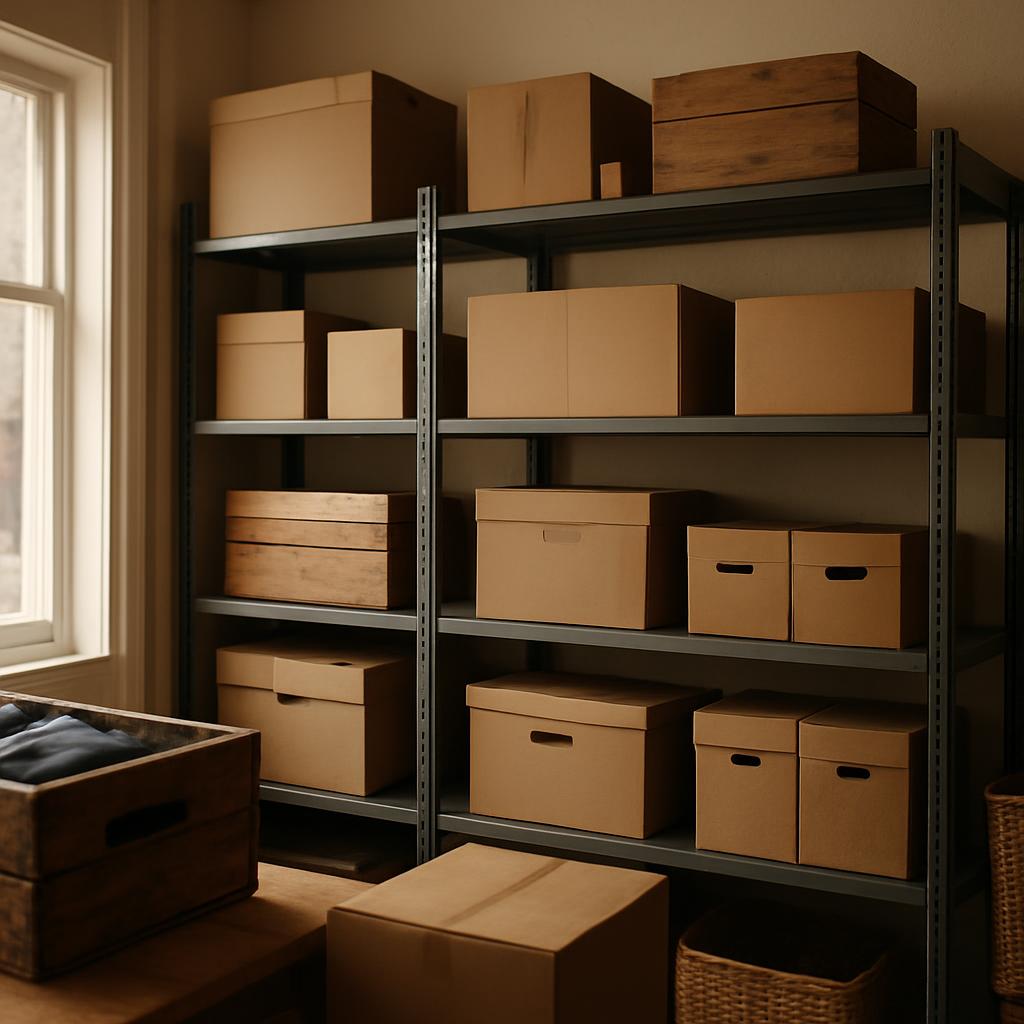
This is where it gets practical. Businesses label everything. They use a consistent system. They know exactly what's in storage and where it is, because they need to pull items out without wasting time digging.
Most homeowners just... throw things in. Unmarked boxes, vague memories of what went where, the dreaded moment six months later when you need something and can't find it without unloading half the unit.
The fix is simple: use a labelling system and keep a list. Business owners use spreadsheets or just a handwritten notebook—doesn't matter which. They photograph shelves or stack items logically so similar things are together. Seasonal decorations in one area, tools in another, boxes that'll go into the new house kitchen in a third.
You don't need to be obsessive about it. Just enough that you can actually find what you're looking for. This saves money too—you won't buy a second set of Christmas lights because you couldn't remember if the first ones were in there or not.
They think about climate and condition, not just cost
A business storing stock knows that the cheapest unit isn't the one that protects their goods. If your stock gets damp, damaged, or spoiled, you've lost money far beyond what you saved on rent.
Paisley gets wet. The White Cart Water flooding isn't ancient history—it's a real risk that low-lying units need to account for. Businesses here factor that in. They ask about moisture control, about the building's flood history, about how the unit handles water. They don't just book based on the price per square foot.
Homeowners often make the opposite choice. They find a cheap unit and hope for the best. Then summer comes and they discover their vintage furniture's swollen, or their boxes are soggy, or their items are covered in mildew.
Understanding what Self Storage actually costs means understanding that price isn't the only cost. Climate-controlled units cost more, but they might save you money on replacing ruined items. Find out what matters for your specific stuff, then decide if the extra cost is worth it. Usually, it is.
They review their storage regularly
Here's something business owners do that homeowners almost never do: they review what's in storage and whether it still needs to be there.
A café or shop will think: 'Is this seasonal stock taking up space? Could I sell it instead? Could I rotate it back to the main space? Do I still need to keep this at all?' Because storage costs them money every month, they stay conscious of it.
Most homeowners rent a unit, fill it, pay the monthly fee, and mentally forget it exists. Two years later they're still paying for boxes of stuff they don't actually want or need.
The lesson is obvious: treat Self Storage like a business would. Every few months, think about whether what's in there still belongs there. Sell things you're not using. Move stuff back home if space opens up. Cancel the unit if it's no longer worth the cost. We've covered the biggest storage mistakes Paisley residents make—and letting units linger longer than necessary is right at the top of that list.
The real takeaway
Local businesses in Paisley use Self Storage because they have to, and that necessity forced them to be strategic about it. They plan ahead. They organise properly. They care about protection, not just price. And they stay aware of what they're actually paying for.
You can do all of that too. You don't need to be running a business to borrow these habits. The difference between Self Storage that costs you money and Self Storage that actually works for you comes down to treating it like something that matters—which it does.
If you're ready to get serious about storage in Paisley, Self Storage Paisley is worth a conversation. They can help you figure out what you actually need and keep you from making the mistakes that cost most homeowners money down the line.
Looking for Self Storage near Paisley?
We have secure, flexible units available in the area. Get in touch with Self Storage Paisley today.
Find Out More →